Nemocnice Na Františku
A new website and visual identity for a hospital with a history going back to 1354.
- Industry
- Healthcare
- Scope
- Website, visual identity, hosting
- Timeline
- 2025 to 2026
- Stack
- WordPress, Breakdance, Plesk
The brief
Nemocnice Na Františku has stood in the centre of Prague since 1354, and Charles IV himself contributed to its growth. Today it is a modern hospital with 182 beds and more than 120,000 outpatient treatments a year, run by the Prague 1 municipal district.
Patients come to the hospital’s website with three things on their mind: finding the right department, knowing where to go with an urgent problem, and finding their way around the grounds. The site had to cut each of these journeys down to as few clicks as possible, while also serving as the public face of an institution with seven centuries of history.
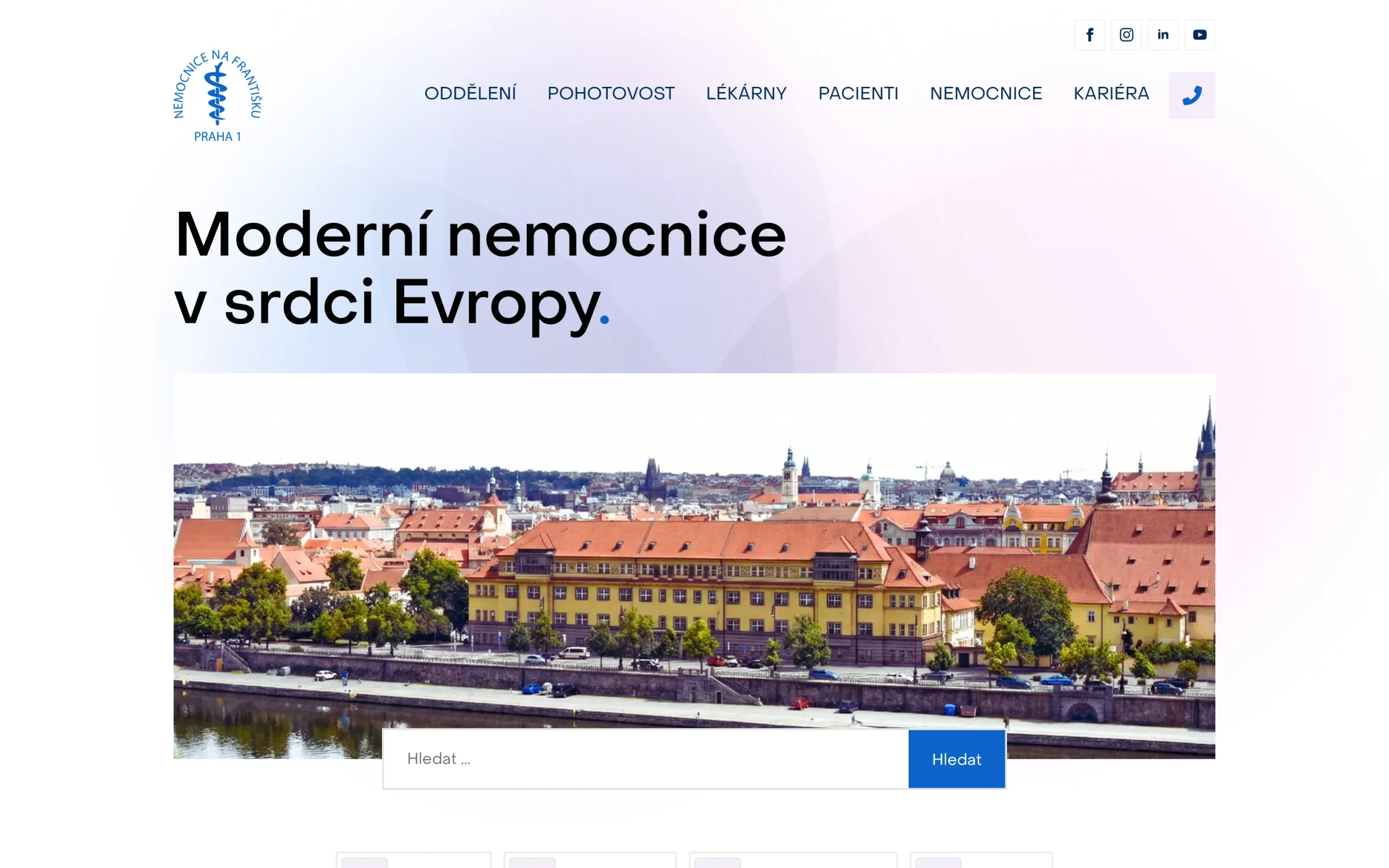
We delivered a new website and a new visual identity, and we also run the site on our own hosting. The first version went live back in November 2020; since then we have rebuilt the site from the ground up once, and today it carries the tagline “A modern hospital in the heart of Europe”.
The shortest routes for patients
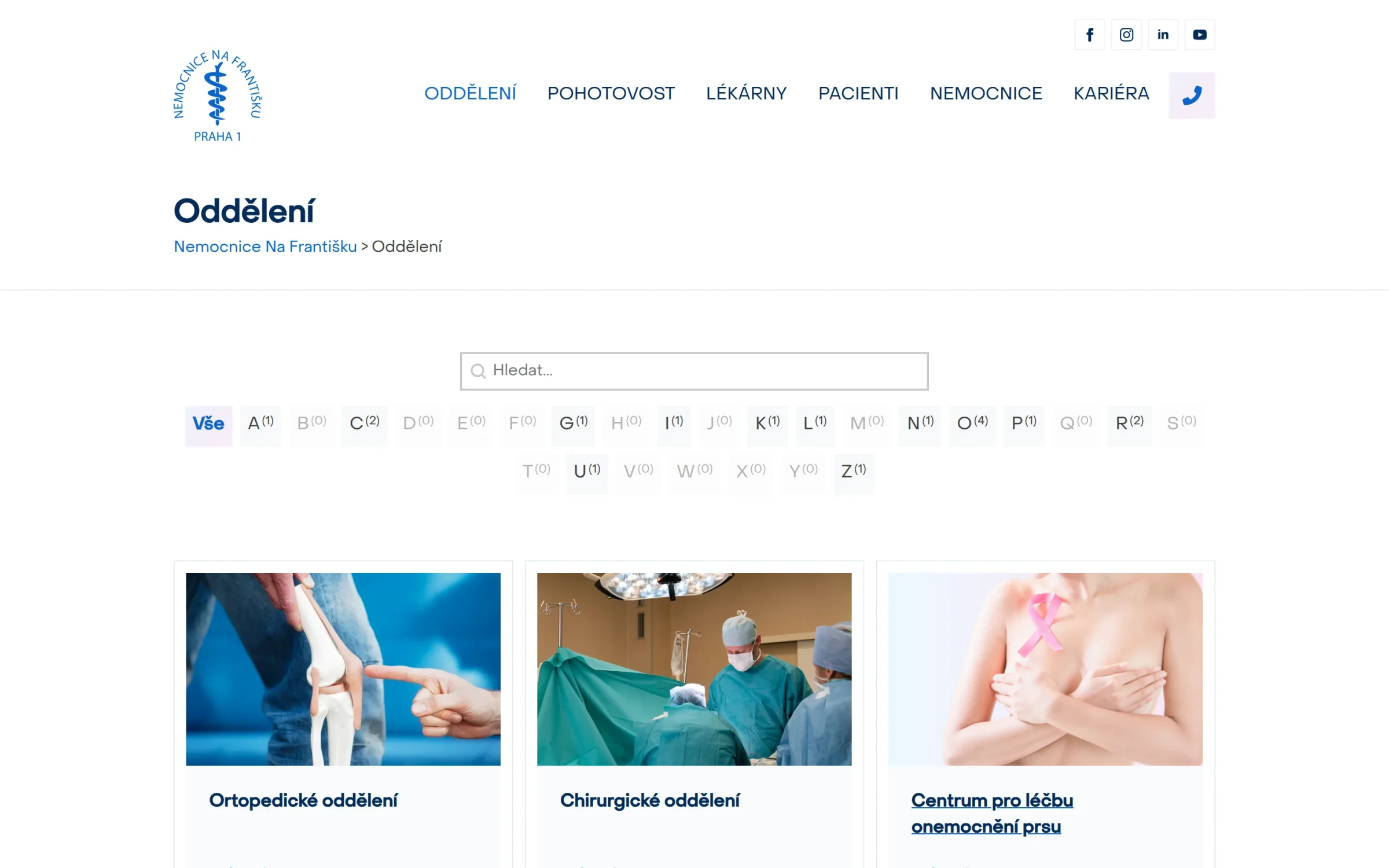
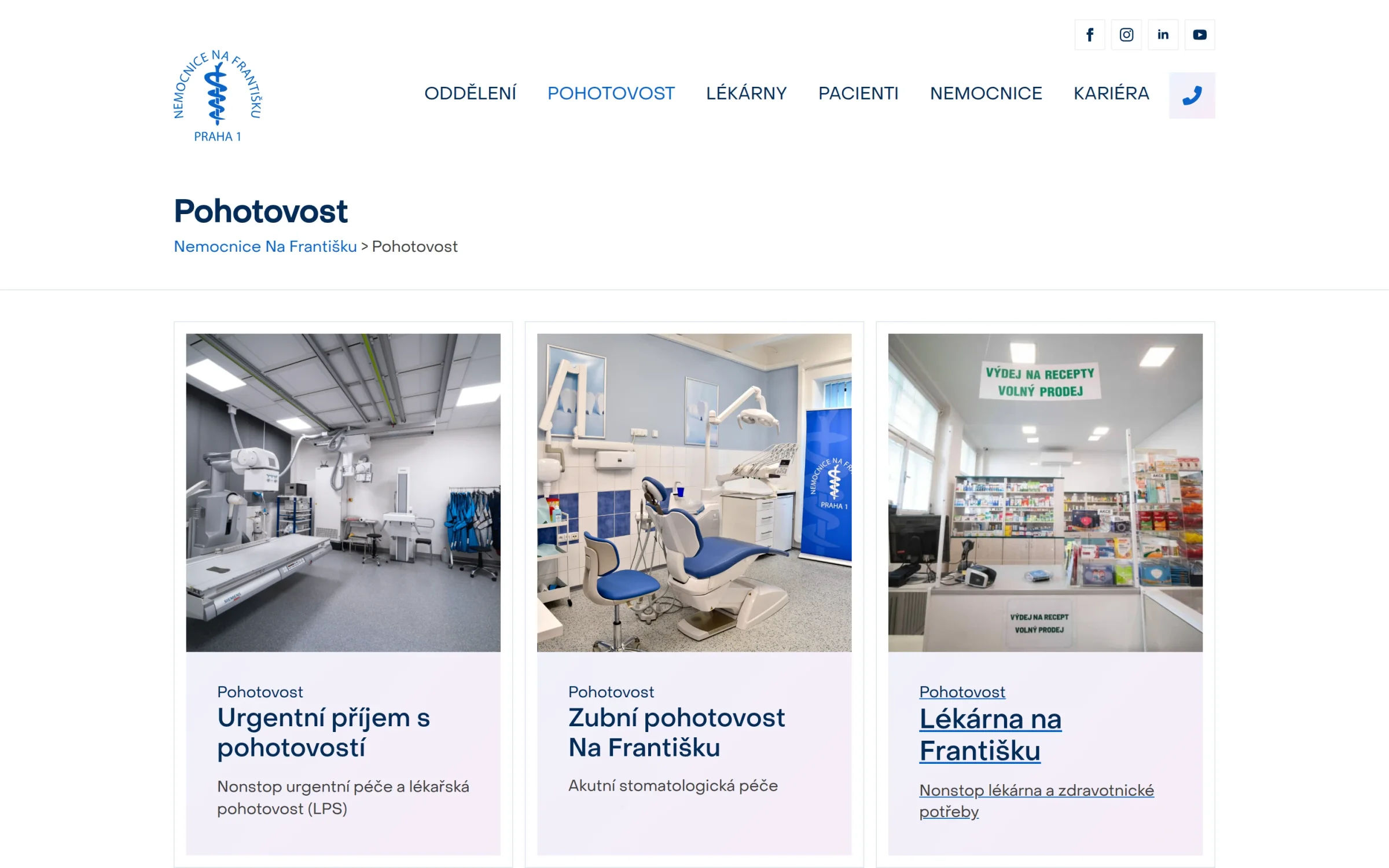
Two pages the website exists for. The department directory and emergency care are one click from the homepage, and both lead straight to the goal, not to the switchboard.
The hospital in numbers
- 1354
- year founded
- 182
- beds
- 120k
- outpatient treatments a year
- 17
- departments on the website
One of the oldest hospitals in Central Europe now has more than 700 employees and around 5,000 hospital admissions a year. It is run by the Prague 1 municipal district.
In the client’s words

200solutions created a new website and a new visual identity for Nemocnice Na Františku. We value their proactive approach, their innovation and their ideas. Working with them went very smoothly, because they listened to what we had in mind, knew how to make it happen and accommodated us in everything. We dare say the result turned out really well.
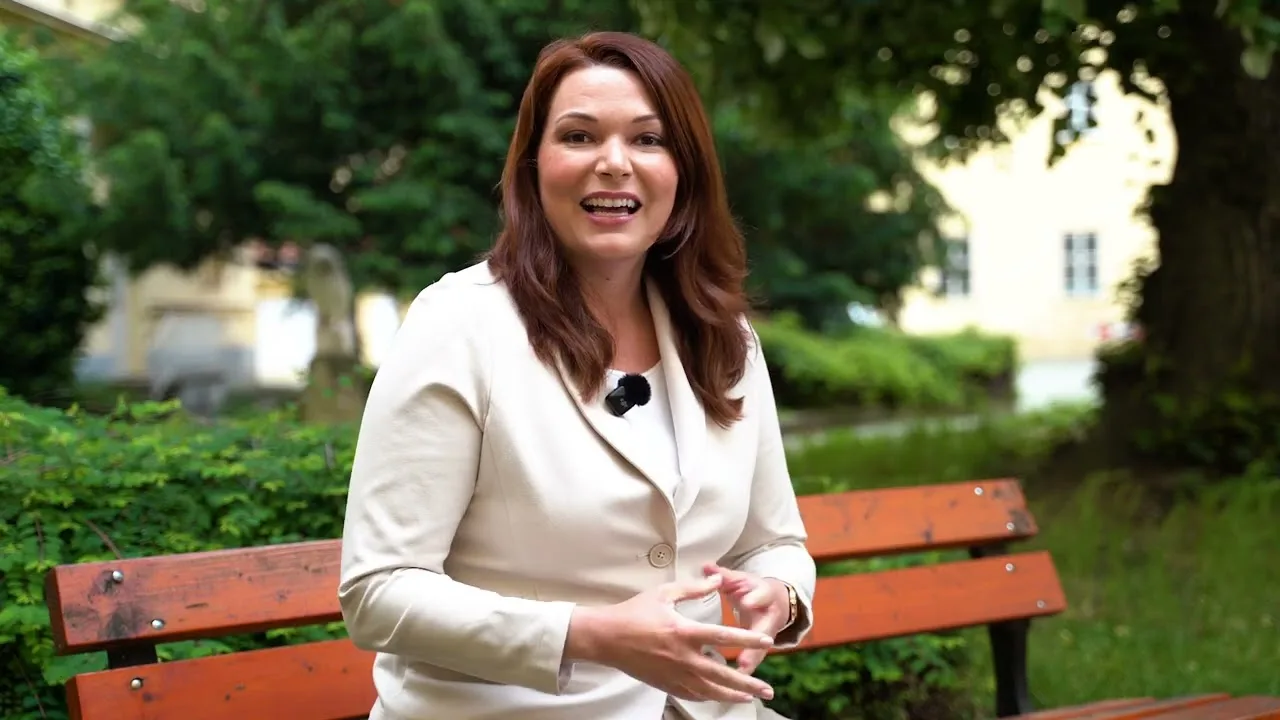
You can’t click your way to trust
Patient reviews are not anonymous stars: each one is a real story with a page of its own, from a thank-you to the surgical team to a visit to the dental emergency service.
What else the website does
-
A detail page for every department
Clinics, doctors and contacts on a single page. Patients call the right number directly, not through the switchboard.
-
News and articles
The hospital publishes news and articles on the website itself. Editing runs in WordPress, with no developer involved.
-
Careers section
Job openings in a Careers section of their own. A hospital with nearly 700 employees hires all year round, and the website is the first point of contact with applicants.
-
Multiple languages
The website is being translated into other languages. A hospital in the centre of Prague also treats patients who do not speak Czech.
-
Round-the-clock information on emergency care and the pharmacy
The emergency department, the dental emergency service and the 24-hour pharmacy all have information that is always visible on the site. These are exactly the pages patients look for most often and most urgently.
The whole website in one place
Nine screens as patients meet them: from the department directory to pharmacies, emergency care and careers. Click any of them to open it full screen and browse through the rest.
A history dating back to 1354 finally has a modern digital face.
Live site: nnfp.cz